
Hull-less Barley
An Ancient Grain with a Rich History and Health Benefits
The Origins of Ancient Grains
Barley, together with emmer, is considered one of the world’s oldest grains — the original ancient grains. Archaeological findings from the Middle East, along with analyses of pollen and seeds, show that both barley and emmer were cultivated over 10,000 years ago. In Norway, barley has been grown for around 4,500 years.
When we talk about ancient grains, it is often barley that is the true, original grain—not wheat or oats, as many may think. The type of barley cultivated in ancient times was hull-less barley.
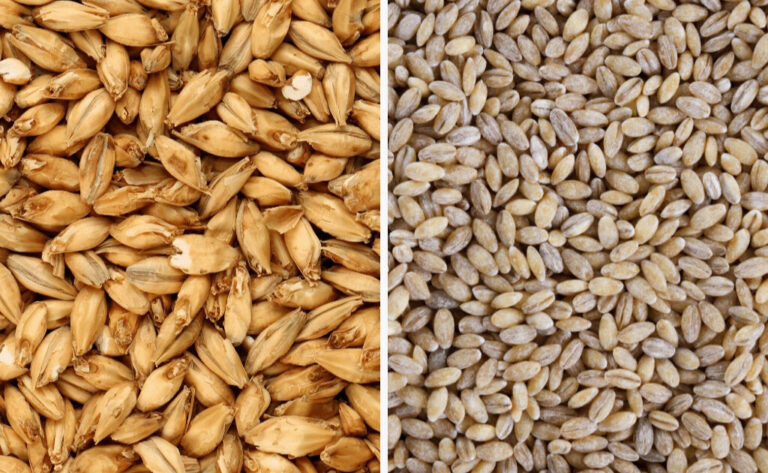
Hulled Barley – The Dominant Barley Variety Today
In modern times, hulled barley has been the dominant type of barley cultivated in Norway. Hulled barley is covered by several layers of hulls—hard shells that cling tightly to the grain and do not come off during threshing. These hulls must be removed mechanically before the grain can be used for food.
The hulls consist mainly of lignin fibers, which cannot be broken down in the digestive system and therefore do not provide any nutrition. Additionally, removing the hulls without damaging the nutrient-rich aleurone layer—which protects the seed (the endosperm)—is a demanding process. This is the layer where you find important nutrients such as minerals, vitamins, and dietary fiber—especially the soluble fiber beta-glucan.
Today’s hulled barley is primarily made for use in animal feed. Helsekorn’s hull-less barley, on the other hand, has been cultivated specifically to produce a barley variety that is particularly well-suited as a food grain.
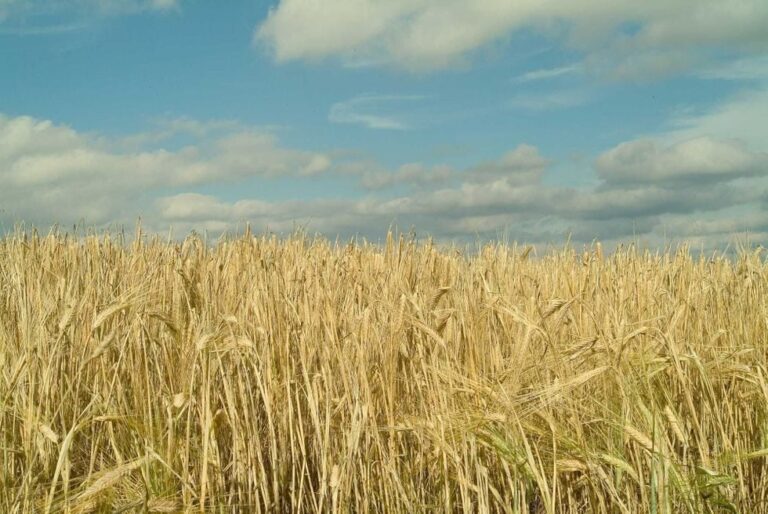
Hull-less Barley – A Natural Choice for Health and Taste
Helsekorn’s hull-less barley is a modern development of the original ancient grain. The key difference is that hull-less barley naturally sheds its hulls during threshing, making further processing unnecessary or minimal. This gives several positive outcomes:
- Preserves nutrients: Because the grain does not require intensive processing, the valuable aleurone layer—and therefore important nutrients like beta-glucan—is preserved.
- High beta-glucan content: Helsekorn’s hull-less barley varieties are bred to have especially high levels of this soluble dietary fiber, which is well documented for its health benefits.
- Better taste: Hull-less barley has a mild, nutty flavor—confirmed by sensory tests and panel tests.
- Improved efficiency in food production: In industrial processing, hull-less barley offers greater yield and higher hectoliter weight compared to hulled barley.
- Easy to use at home: Because the grain does not require extensive processing, it can be used directly in household cooking.
- No soaking needed: A short cooking time of 3 minutes with 3 parts water to 1 part hull-less barley grains, then let it sit for 20 minutes.
Summary
Hull-less barley is not only a grain with deep historical roots – it is also a modern, nutritious, and flavorful alternative to today’s hulled barley. Helsekorn’s goal is to cultivate hull-less barley, and make it accessible, to contribute to both improved public health and greater enjoyment of food.